When a groundbreaking solution to a problem is found, it transforms into a skill the world craves.
At first, few people know about it. Most are focused on learning skills that already offer job security and better pay. Since there is not much information about the new trend, only a handful of curious people decide to learn it.
As the solution proves its usefulness, the skill grows in demand. The job becomes popular. Awareness increases.
At this point, the job hits peak popularity. Lots of people rush to learn it. But as more people acquire the skill, the supply outpaces the demand. Businesses start looking for cheaper alternatives to maintain their profit margins.
Eventually, demand for a specific skill drops further because of new technology. Companies hire people to get jobs done. If they can pay a fraction of the cost to get the same work done by machines or software, they will — to improve their bottom line.
Jobs that offer solutions to real problems will persist as long as those problems exist. AI will not eliminate these jobs entirely, but it will significantly reduce their value by increasing the supply. This lowers the demand for human labor in specific tasks.
When people say AI will not replace their jobs, they might be partly right. AI may not fully replace the job, but it will affect the demand. These roles will no longer be as secure or well-paid as they once were.
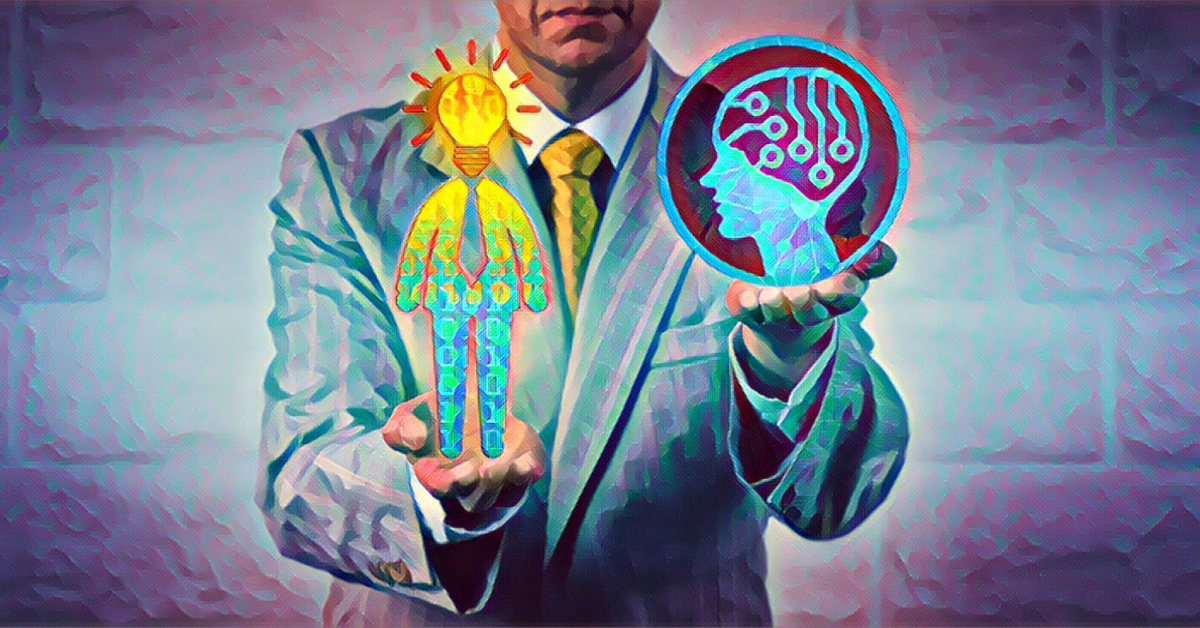
But there is another way to look at this. AI can have a symbiotic relationship with humans. Sure, it reduces demand for certain tasks. But those who become significantly more efficient — who get 10x more done using AI — will continue to thrive.
Think of it like this: when cars were invented, they did not wipe out the horse-cart business overnight. Over time, cars offered better solutions and drew people away. Horse riders were not completely out of work — they just needed to learn new skills. If they only stuck to what they already knew, then yes, their work would eventually disappear.
The same applies now. AI trends and adoption rates in the knowledge worker industry are higher than ever. It is not just about what AI can do today — it is about how fast it is improving. As these tools become more affordable, businesses will adopt them. History has proven this to be true.